Product Traceability: From Compliance to Competitive Advantage
October 13, 2025

October 13, 2025

For a small or mid-sized business, traceability isn’t just about regulatory compliance. It’s also a competitive advantage: fewer losses, better-controlled recalls, reassured customers, and a stronger brand image.
With the right tools, implementing product traceability at the same level as large corporations is now within reach for smaller companies.
In this article, we’ll break down what traceability means in logistics, why it’s essential for B2B SMBs, how to put it into practice, and how Stockpit can help you take your inventory management to the next level.
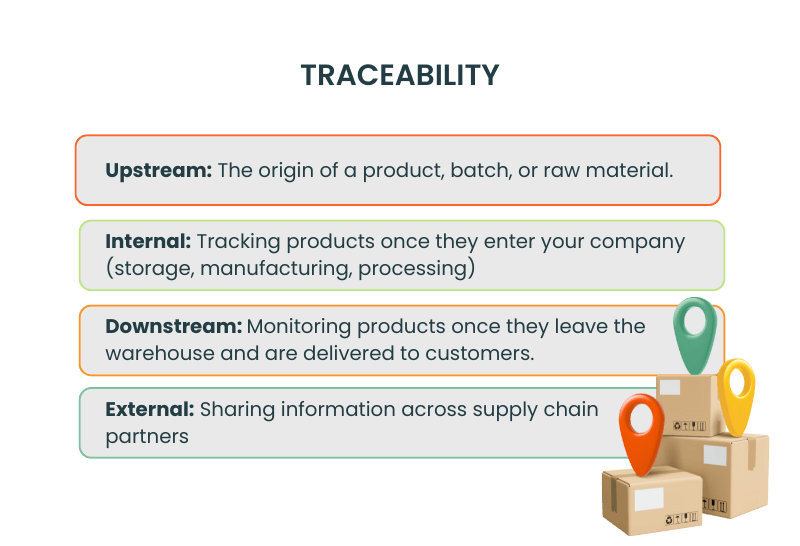
Product traceability means being able to track an item or a batch at every stage of its lifecycle across the supply chain:
Traceability records the full history of your stock which is essential to answer customer questions, handle non-compliance, or manage a product recall.
In B2B, trust is everything. Being able to prove the origin and history of a product boosts credibility, builds reliability, and even becomes a sales argument. Clients are far more likely to do long-term business with you when you provide transparent proof of quality, production, and supply chain records.
Traceability is also a risk management tool. Defective batches, compliance issues, or expired products aren’t exceptions — they’re part of business reality. Being able to quickly identify affected batches, isolate the problem, and reduce financial or reputational damage is critical.
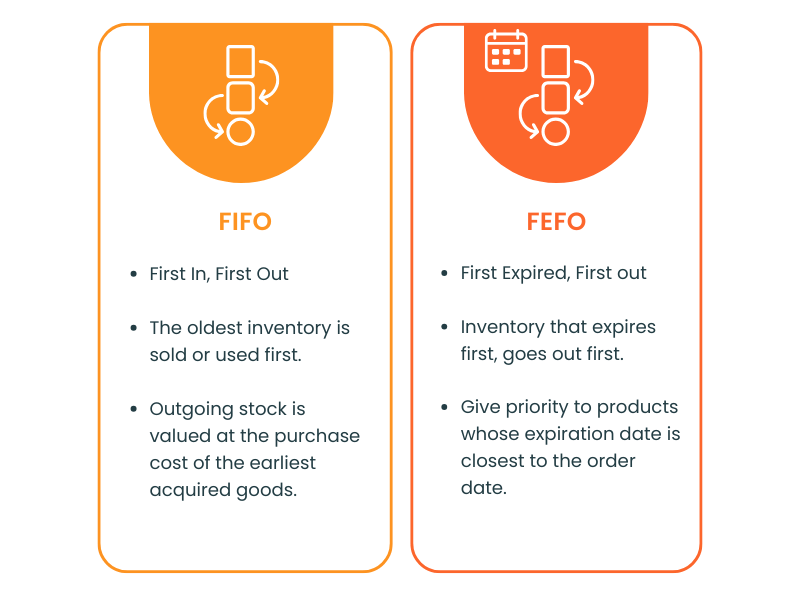
Finally, traceability directly improves logistics efficiency. By tracking every batch and applying methods like FIFO (First In, First Out) or FEFO (First Expired, First Out), companies reduce errors, minimize waste, and optimize stock turnover. In other words: compliance, efficiency, and profitability in one.
You don’t need a large quality control team or a complex logistics department to set up effective product traceability!
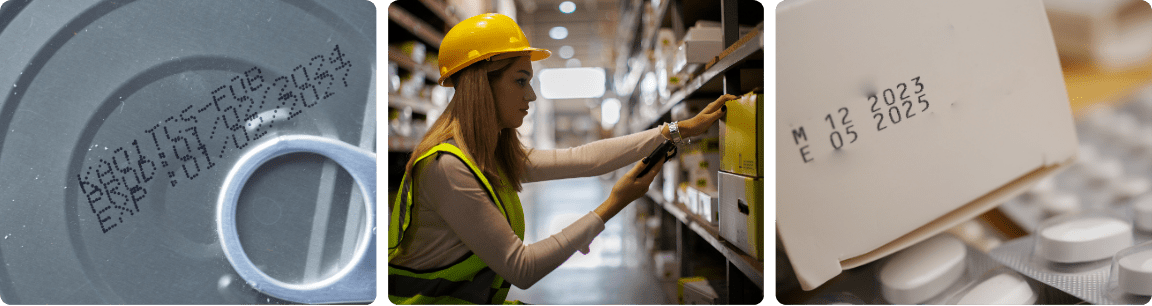
It all starts with a unique identifier. Barcodes are a simple, cost-effective way to quickly identify products and link them to a batch number or expiration date.
For example, a distributor of technical parts can isolate a defective batch with a quick scan — without recalling their entire inventory.
Recording all internal stock movements (warehouse transfers, goods reception, warehouse reorganization, etc.), whether on paper or digitally ideally, provides better visibility and strengthens traceability.
Optimizing stock rotation is key to reducing waste and improving profitability.
For perishable products, two methods are recommended:
In industries like food or cosmetics, these methods help cut waste while protecting customer safety.
To simplify recalls and maintain clear visibility, request batch numbers and certificates from your suppliers. On your end, record all batches delivered to your customers.
Carrying out regular stock counts helps SMBs verify the reliability of their processes. A significant gap between theoretical and actual stock often signals poor traceability — with expired or obsolete products still sitting in storage.
On paper, traceability can seem complex. But with the right software, it becomes second nature.
Stockpit was designed for small and mid-sized businesses that want powerful inventory management without the complexity.
You can explore more details in our Help Center or watch our video on traceability.
In the food and pharmaceutical industries, traceability is a legal requirement. Stockpit makes it easy to manage batches, expiration dates, and targeted recalls. Traceability is also essential in technical distribution, chemicals, cosmetics, and other B2B sectors where trust is key.
Product traceability is important for both big and small companies and can be a strategic asset. It helps secure operations, reassure customers, and protect profitability.
With Stockpit, you get a simple yet powerful traceability software that manages your batches, expiration dates, stock counts, and recalls. You move from burdensome traceability to value-creating traceability.
Say goodbye to stockouts! Get your inventory valuation, monitor the inflow and outflow of products and keep track of your inventory.


